What is BlueFlow
Blueflow is a software analytics platform developed by Vulkan Engineering that connects to an offshore facility's existing process data — pressure, flow, chemical dosing, cleaning and maintenance records — and converts it into equipment-specific operating recommendations for seawater-treatment systems (deaeration, ultrafiltration/UF, and sulphate removal/SRU). It works with data the plant already produces, without requiring additional sensors or historian tags.
Why it exists
Water-treatment performance is normally assessed by piecing together several control systems, spreadsheets and maintenance logs, each holding part of the picture. An engineer may see oxygen levels within specification but not know whether the deaerator tower is genuinely performing well or whether chemical dosing is compensating for its decline. A UF membrane's chemical exposure may be split across multiple dosing routes with no single combined record. A membrane replacement carried out during a shutdown may never be logged. Reconstructing this picture manually consumes engineering time before any assessment can even begin. Blueflow was built to close that gap by giving plant-specific analytical routines a shared, reusable platform, rather than building a standalone tool for every question.
What It Measures
Three applications are presented. Deaerator analytics isolate mechanical oxygen removal (vacuum tower) from chemical oxygen removal (scavenger dosing), so the two effects can be assessed independently. UF analytics estimate cumulative hypochlorite exposure and duration per vessel, and reconstruct pressure-decay integrity tests from existing data to flag possible fibre or seal damage. SRU analytics compare recorded cleaning steps against post-wash membrane performance across multiple washes.
Performance
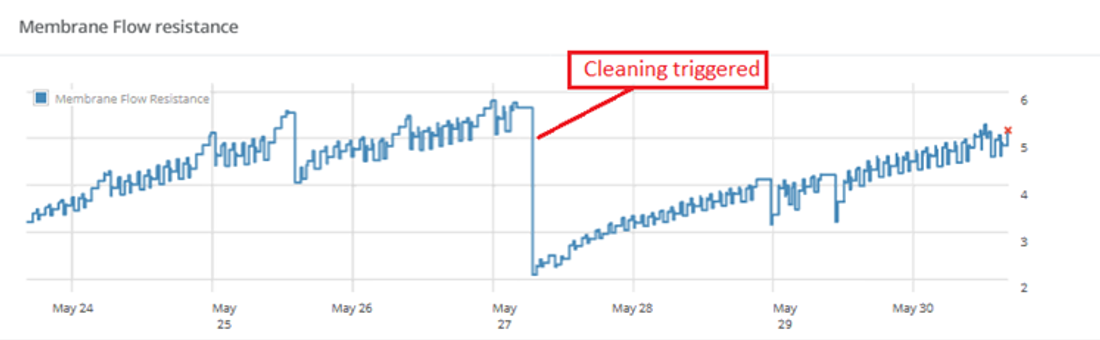
Across the SRU wash dataset, shorter, more numerous alkaline circulation passes were more closely associated with effective cleaning than longer soak time or higher flow: each additional Stage 1 pass corresponded to roughly 0.077 bar lower normalized differential pressure after washing, with the strongest recovery observed near seven passes. For UF, sustained post-shutdown improvements in flow resistance and integrity results allowed undocumented membrane replacements to be identified and used to reset the chemical-exposure baseline.
How it helps operators and EPCs
For operators, Blueflow gives day-to-day decisions — adjusting scavenger dosage, timing a membrane replacement, revising a wash procedure — an evidence base drawn from data they already collect, rather than judgement calls made on partial information. For EPC contractors, the same platform supports structured post-start-up performance follow-up and documented recommendations to clients. In both cases, findings are intended to inform a controlled, evidence-based revision of operating procedure, not to replace engineering judgement or approved procedures outright.